Sahara Desert Camps Explained
What's the difference between a basic bivouac and a luxury desert camp?
A basic bivouac means a shared tent, a thin mattress on the ground, communal toilets and no electricity, from around 25 € a night. A luxury camp adds a proper bed, a private en-suite bathroom and solar-powered lighting, running up to 250 € a night.
“Desert camp” covers an enormous range in practice, from a mattress on the sand with communal toilets to a private tent with air conditioning and its own bathroom. The price difference between the two is real and reflects a genuinely different night, not just marketing language — here’s what each tier actually gives you.
| Bivouac / budget camp | Shared tent, thin mattress, communal toilets, no electricity — from ~25 € per night |
| Mid-range camp | Private tent, proper bed, shared bathroom nearby, a few hours of solar lighting — ~60-120 € per night |
| Luxury camp | Private en-suite tent, solid bed, reliable power, sometimes A/C — up to 250 € per night |
| Where | Merzouga, Zagora and Erg Chigaga all offer the full range of camp tiers |
| Best time | October-April for milder nights; nights fall below 5°C December-February regardless of tier |
The bivouac: simple and genuinely atmospheric
At the budget end, a bivouac means a shared canvas tent, a mattress laid directly on a rug over the sand, and communal toilet facilities a short walk away — no electricity, and washing water is often limited. What you’re paying for is proximity to the dunes and the night sky rather than comfort, and for a lot of travellers, one night at this level is exactly the right amount of roughing it. It’s also the cheapest way into a desert camp, typically from around 25 € per person including dinner and breakfast.
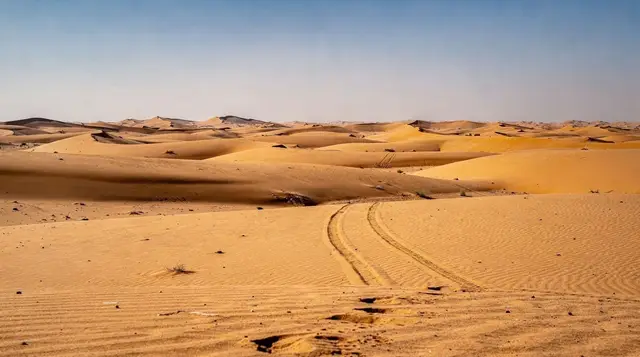
A Canadian-style wild camp overnight in Merzouga sits at this simpler end of the spectrum — further from the main camp clusters, quieter, and closer to genuinely dark skies than camps nearer the access roads.
Mid-range: a proper bed, still shared facilities
The middle tier is where most standard tour packages sit, and it’s a meaningful step up from a bivouac: a private tent per group with an actual raised bed rather than a floor mattress, and usually a few hours of solar-powered lighting in the evening. Bathrooms at this level are still typically shared and a short walk from the tent, though better-run camps keep them clean and well-maintained. An overnight desert camp in Merzouga with dinner and breakfast is a representative mid-range option, and it’s what most 3-day Merzouga tours include by default.
Zagora offers the same tier at a comparable standard — a 2-day, 1-night desert expedition to Zagora follows the same format on the shorter route, with a similar private-tent, shared-bathroom setup.
Luxury camps: private bathroom, real power
At the top end, luxury camps add what genuinely changes a night’s comfort: a private en-suite bathroom inside or attached to the tent, a solid bed with proper linens, and dependable electricity — sometimes stretching to air conditioning in summer, though most travellers avoid Sahara camps in peak summer heat entirely. A luxury desert camp in Merzouga with camel ride and dinner is a solid example of this tier, and the price gap over a mid-range camp buys real, tangible comfort rather than just a nicer marketing photo.
Erg Chigaga, the wildest and most remote of the three main desert destinations, has its own version of this spectrum despite being harder to reach. A 3-day Erg Chigaga desert adventure camp shows that even the most remote erg reachable from Marrakech offers a comfortable camp option, not just rough bivouacs — see the Erg Chigaga guide for what makes that destination different from Merzouga and Zagora.
How to check a camp’s real tier before booking
Listing photos are the least reliable way to judge a camp, since the same handful of professionally shot images sometimes appear across multiple operators’ pages. Instead, look for specifics in the written description: does it explicitly mention a private bathroom, or just “modern facilities”? Does it state hours of electricity, or just “solar power available”? Vague language is often a sign the camp sits lower on the comfort scale than the photos suggest.
Recent reviews are the most reliable check, particularly ones that mention the bathroom situation or temperature at night directly rather than just rating the experience overall. A camp with dozens of reviews consistently mentioning a private bathroom is a safer bet than one with a single glowing review and ambiguous photos. If in doubt, it’s reasonable to message the operator directly and ask specifically whether the tent has an en-suite bathroom and how many hours of power to expect — a legitimate camp will answer plainly.
Food and water across tiers
Every tier, from bivouac to luxury, includes dinner and breakfast as standard, and the food itself doesn’t vary as dramatically as the accommodation does — a set Moroccan menu of tagine, salads, bread and fruit appears at nearly every camp regardless of price. What does change is presentation and, at the luxury end, occasionally a wider menu with more choice. Drinking water is provided at every tier, though it’s worth carrying a personal bottle as backup, since supply at more remote camps can be limited to what’s been brought in that day.
What stays the same at every tier
Regardless of budget, every camp tier includes dinner and breakfast, a camel trek to and from the dunes, and — usually — some form of evening music around a fire. The core experience of arriving by camel as the light fades and waking up to dune-top sunrise doesn’t change much between a 25 € bivouac and a 250 € luxury tent; what changes is how comfortably you sleep in between. Nights are cold across the board — below 5°C from December to February, around 10°C in the shoulder months of March and November — so pack a warm layer no matter which tier you book.
How the evening unfolds at camp
Most camp nights follow the same rhythm, whatever the tier. You reach the dunes on camel in the late afternoon, settle into your tent, and have time to climb a nearby dune to watch the light change. Dinner is served once the sun has gone, usually in a communal tent or around a table set out on the sand, and the evening ends with music and a fire before people drift off to bed. If you want the full picture of the ride itself, the camel ride guide explains what to expect from the animals, the pace and the saddle.
The quiet is the part most visitors remember. Away from the road and the generators of larger camps, the silence at night is striking, and on a clear evening the stars are far denser than anything you will have seen from a city. The blog piece on desert dawns captures the other half of the experience: the early walk up a dune to watch the sun rise over the sand.
Reaching the desert from Marrakech
Every camp tier shares the same logistics problem: the desert is a long way from Marrakech, and the journey shapes how you plan the trip. Most travellers cross the High Atlas and stop along the way, which is part of the appeal. Ait Ben Haddou and Ouarzazate are the classic stops, and the road over the Tizi n’Tichka pass is one of the most scenic parts of the whole drive. For the route to the largest dune field, the Marrakech to Merzouga guide lays out the options, and Merzouga itself is worth reading about before you pick a camp there.
If you prefer to follow a set plan, the 3-day Sahara itinerary from Marrakech shows how the drive, the camp night and the return fit together. For something longer that links several stops in the south, the southern circuit itinerary gives a slower, wider loop.
Camps with a tent-free alternative nearby
Not everyone wants a night in the Sahara proper. If time is short or the long drive puts you off, the Agafay Desert is much closer to Marrakech and offers a stony-desert camp night that is easier to fit in. It is a different landscape from the sand dunes, so it works best as a taste of the desert rather than a replacement for the real thing; the Agafay versus Sahara comparison sets out the trade-offs honestly so you can decide which one suits your trip.
Questions to ask the camp or operator
Whatever tier you settle on, a few plain questions save disappointment later. Ask whether the tent is private or shared with other guests, whether the bathroom is inside the tent or a walk away, and whether there is any heating or only blankets. Ask where the camp sits relative to the main dune field, and whether the camel ride is included or charged separately. Ask what happens if a sandstorm or bad weather disrupts the plan. A camp that answers clearly and without fuss is usually one that runs well. Pair this with the advice in the Sahara tour booking guide before you pay a deposit.
Choosing a tier for your specific trip
Age and travel style matter more than budget alone when picking a tier. Younger travellers and anyone who’s comfortable with basic camping conditions elsewhere often find a bivouac genuinely enjoyable rather than merely tolerable, and the money saved can go toward extra days or activities elsewhere in the trip. Older travellers, anyone with mobility considerations, or families with young children tend to get more value from at least a mid-range camp, where a proper bed and closer facilities make a real difference to how well everyone sleeps before a full day of driving the next morning.
Couples celebrating a specific occasion — an anniversary, a honeymoon, a milestone birthday — are the group most likely to find a luxury camp genuinely worth the premium, since the added privacy and comfort shape the whole tone of the evening in a way that matters more for a celebration than for a standard overnight stop on a longer itinerary.
How camps differ between Merzouga, Zagora and Chigaga
The tier structure — bivouac, mid-range, luxury — exists at all three main desert destinations, but the mix shifts. Merzouga has by far the largest number of camps and the widest range of tiers, including the most developed luxury options, reflecting its status as the most-visited Sahara destination from Marrakech. Zagora has a smaller but still varied selection across all three tiers. Erg Chigaga, given the logistics of the 4x4 crossing, leans more heavily toward bivouac and mid-range camps, with luxury options existing but less common than at Merzouga.
Seasons, comfort and what to read next
The tier you choose matters most in winter, when cold nights test thin bedding, and in summer, when the heat makes any camp a challenge. Our best time to visit Marrakech guide helps you match the season to the kind of night you want, and the blog piece what nobody tells you about the Sahara is a frank read on the realities that no listing mentions. If you are weighing a different style of trip entirely, the guided tour versus independent travel comparison explains why most people book the desert as an organised package.
For the full packing list that applies to any camp tier, see what to pack for a Sahara tour. If you haven’t yet decided between destinations, Merzouga or Zagora compares the two directly, and how to book a Sahara tour without getting burned covers how to confirm a camp’s advertised tier actually matches what you’ll get.
Sahara tours on GetYourGuide
Verified deep-linked GetYourGuide tours. Book through these links and we earn a small commission at no cost to you.
Photo: our own image of the location, not the operator’s product photo.