Explore Marrakech by area
Twelve districts inside the city, plus the best of the High Atlas, the desert, the Atlantic coast and the south — from Jemaa el-Fna to the dunes ten hours away.
Must-visit areas
The neighbourhoods every first-time visitor should build a trip around — Jemaa el-Fna, the souks, the palace quarter and the garden districts that define Marrakech.

The Agafay Desert
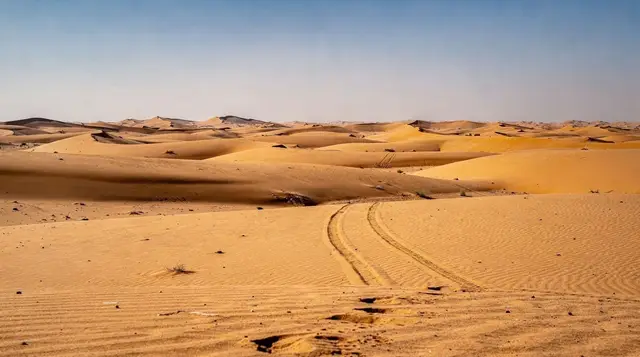
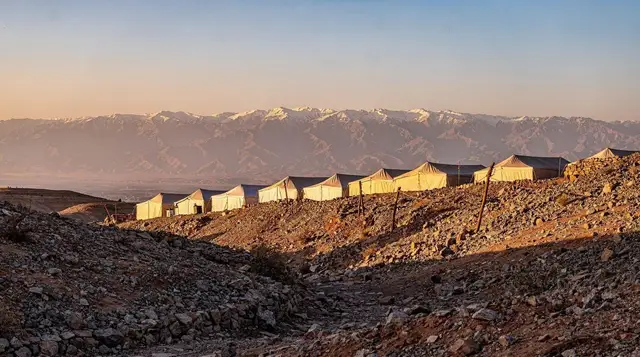
The Agafay Desert is stone and dry clay, not sand dunes, 30-40 minutes from Marrakech. What to expect, what to book, and how it compares to the Sahara.

Ait Ben Haddou
Ait Ben Haddou guide: the UNESCO-listed ksar, crossing the oued, the film history, and why staying overnight beats the day-trip crowds.

Essaouira
Essaouira is 2.5 hours from Marrakech: a fortified UNESCO medina, blue fishing port and steady Atlantic wind. What to expect and when to go.

The High Atlas
The High Atlas explained — geography, Amazigh villages, seasons, and what fits in a day trip versus what needs a night in the mountains.

Imlil
Imlil at 1,740 m — the trekking village for Mount Toubkal, mules, gîtes, and the walk out to Aroumd and Armed.

Jemaa el-Fna
Jemaa el-Fna by day and by night: numbered food stalls, snake charmers, classic scams, and how to actually enjoy Marrakech's main square.

The Kasbah and the Mellah
Saadian Tombs, El Badi Palace, Bab Agnaou and the old Mellah: Marrakech's southern medina quarter of palaces, tombs and spices.

Majorelle and the garden quarter
Majorelle Garden, the YSL Museum, Le Jardin Secret and the Anima: Marrakech's best gardens, with tickets, queues and honest verdicts.

The Marrakech medina
How to navigate the Marrakech medina: derbs, gates, riads, scooters, and why your phone's GPS won't save you here.

Merzouga and Erg Chebbi
Merzouga and the Erg Chebbi dunes are 8-10 hours from Marrakech by road. What the real Sahara actually involves, and why 3 days is the minimum.

Ouarzazate
Ouarzazate guide: Kasbah Taourirt, the Atlas and CLA film studios, the cinema museum and the Fint oasis, roughly four hours from Marrakech.

Ourika Valley
Ourika Valley, an hour from Marrakech — the river, pilotis restaurants, Monday market, organic garden, and why August floods matter.

Ouzoud Falls
Ouzoud Falls, about 3 hours from Marrakech — the 110-metre cascade, Barbary macaques, the boat ride, and the best season to go.
More to explore
Areas for a second trip or a longer first one — mountain valleys, desert camps and coastal towns within a half-day's drive of the city.

Bab Doukkala and Dar el Bacha
Bab Doukkala, its mosque and neighbourhood market, and Dar el Bacha with its museum and café: a quieter corner of the Marrakech medina.

The Dades Valley
Dades Valley guide: the gorge road, the Tissedrine switchbacks, the Monkey Fingers rock formations, and Boumalne du Dades as a base.

Erg Chigaga
Erg Chigaga lies beyond M'Hamid, reachable only by 4x4. The wildest, least-visited great erg accessible from Marrakech, and what a trip there involves.

Gueliz, the ville nouvelle
Gueliz, Marrakech's colonial new town: Avenue Mohammed V, galleries, restaurants, bars, and where prices are actually posted.

Lalla Takerkoust
Lalla Takerkoust, a reservoir lake 40 minutes from Marrakech — jet-skiing, lakeside restaurants, and its usual pairing with the Agafay desert.

Menara and Agdal gardens
The Menara basin and pavilion, and the Agdal's olive groves: Marrakech's two great historic gardens, and what they're actually worth.

Mouassine and the northern souks
Mouassine mosque and fountain, the museum, and the northern souks: dyers, ironworkers, and Dar el Bacha a short walk away.

Oukaimeden
Oukaimeden at 2,600 m — ski season, the chairlift, prehistoric rock carvings, and why summer is actually the better time to go.

La Palmeraie
The Palmeraie north of Marrakech: dromedary rides, quad and buggy tours, resort hotels, and what's left of the actual palm grove.

Riad Zitoun and the Bahia quarter
Riad Zitoun Jdid and Kedim, the two lanes leading to the Bahia Palace, plus the Tiskiwin house and the southern medina's quieter side.

Setti Fatma
Setti Fatma, at the head of the Ourika Valley — the seven cascades, the real scramble involved, and the fake guides to watch for.

Sidi Kaouki
Sidi Kaouki is 25 km south of Essaouira: a tiny village, a huge beach and Morocco's most reliable wind for surf and kitesurf lessons.

Skoura
Skoura guide: the palm oasis, Kasbah Amridil on the old 50-dirham note, and why it makes a calmer overnight than Ouarzazate.

Telouet
Telouet guide: the crumbling Glaoui kasbah at 1,800m, the old trans-Saharan caravan route, and the piste to Ait Ben Haddou via the Ounila valley.

Todra Gorge
Todra Gorge guide: 300m cliffs narrowing to a 10m-wide canyon, the climbing routes, the river, and how to avoid the midday coach crowds.

Zagora
Zagora is 7 hours from Marrakech, with real but smaller dunes than Erg Chebbi. How the classic 2-day desert trip actually works, and what to expect.
Off the beaten path

Amizmiz
Amizmiz, southwest of Marrakech — the Tuesday market, access to the Anougal valley, and the town's recovery after the 2023 earthquake.

Asni
Asni, roughly an hour from Marrakech — the Saturday souk, Moulay Brahim, and why it works best as a stop rather than a destination.

Diabat
Diabat is a tiny village across the oued from Essaouira, known for the Jimi Hendrix legend and the sand-buried Borj El Baroud tower.

The Draa Valley
The Draa Valley is a 200 km palm-lined river valley between Agdz and Zagora, dotted with earthen kasbahs and Tamegroute's green pottery workshops.

Hivernage
Hivernage, Marrakech's hotel and nightclub quarter: the Palais des Congrès, Théâtre Royal, and why it's the least Marrakech part of the city.

Ouirgane
Ouirgane, the green valley inside Toubkal National Park — the lake, the Almohad mosque at Tin Mal, and a calmer base than Imlil.

Sidi Ghanem design district
Sidi Ghanem, Marrakech's industrial-zone-turned-design-district: showrooms, ateliers, opening days, and how to get there.

Taroudant
Taroudant guide: the 7km ramparts, souks with far less hassle than Marrakech, and the routes over the Tizi n'Test or via Agadir.

Tinghir
Tinghir guide: the palmeraie, the old mellah, and why this practical oasis town makes the best base for visiting Todra Gorge.

Tizi n'Tichka
Tizi n'Tichka guide: the 2,260m pass on the road to Ouarzazate, real drive times after the roadworks, and which roadside argan stops to skip.
Good to know about Marrakech destinations
Marrakech is better understood as a set of very different pockets rather than one continuous old town, and this destinations hub organises the twelve districts that matter most inside the city, plus the four day-trip regions beyond it. Jemaa el-Fna anchors the medina: the square itself is free to stand in, but almost everything ringing it — orange juice stalls, storytellers, the food stalls that take over after dark — has its own etiquette and its own inflated first price. From there the medina spreads north into Mouassine and the souks proper, a genuine maze of dyers, metalworkers and spice stalls where getting lost for an hour is closer to the point than a problem.
South of the square, the Kasbah and the Mellah hold the Bahia Palace, the Saadian Tombs and what's left of the old Jewish quarter, all paid sights rather than free wandering. Riad Zitoun, between the two, is the Bahia's immediate neighbourhood and one of the easier stretches of medina to navigate on foot. West of the walls, Gueliz and Hivernage form the ville nouvelle: wider streets, restaurants that serve alcohol, and the cafés locals actually use day to day, a useful contrast after a few hours in the medina's lanes.
Majorelle and its garden quarter sit at the edge of Gueliz — the blue garden itself and the Yves Saint Laurent Museum next door both charge admission and both sell out their morning slots in high season. Bab Doukkala and Dar el Bacha cover the quieter northern medina, less picked-over than the souks around Jemaa el-Fna, while Sidi Ghanem, an industrial zone turned design district, is where Marrakech's contemporary concept stores and studios have moved. Menara and Agdal hold the city's two historic garden-and-reservoir complexes, both worth a stop for the Atlas backdrop rather than the gardens alone.
The Palmeraie, the palm grove east of the city, is now mostly resorts and golf courses rather than a working plantation, and it's the one district where a car or bike genuinely helps.
Beyond the city, four regions extend the destination system: the High Atlas holds Ourika, Imlil and the Toubkal trailhead, along with quieter villages like Asni, Ouirgane and Oukaimeden; the desert covers Agafay's rocky plateau thirty minutes out and the true Sahara dunes around Merzouga and Zagora, seven to nine hours by road; the coast means Essaouira and its smaller neighbours Sidi Kaouki and Diabat; and the south runs along the old kasbah road through Ouarzazate, Ait Ben Haddou, the Dades Valley and Todra Gorge. Together these give a realistic map of how far a Marrakech trip can reasonably stretch, from an afternoon in the souks to a week that reaches the Sahara and back.
Frequently asked questions about Marrakech destinations
Which Marrakech neighbourhood should I base myself in?
For a first trip, the medina near Jemaa el-Fna or Riad Zitoun puts the souks, the Bahia Palace and the square within walking distance; Gueliz suits travellers who want restaurants serving alcohol, wider pavements and easier taxi pickups. There's no single right answer — it depends on whether you'd rather wake up inside the walls or a ten-minute taxi from them.
What's the difference between the medina and Gueliz?
The medina is the walled old city — narrow lanes, souks, riads, no cars inside the walls — while Gueliz is the French-built ville nouvelle to the west, with wide boulevards, licensed restaurants and international shops. Most trips split time between both rather than choosing one.
Are Jemaa el-Fna and the souks free to visit?
The square and the souks themselves cost nothing to walk through, but almost every specific attraction around them — the Bahia Palace, El Badi, the Saadian Tombs, Ben Youssef Madrasa, Majorelle and the Anima garden — charges an entry fee. Treat the free wandering and the paid sights as two separate budgets.
How far are the desert and the coast from Marrakech?
The Agafay desert is thirty minutes away, useful for a half-day taste of dunes-adjacent scenery. The real Sahara dunes at Merzouga or Zagora are seven to nine hours by road each way, essentially a two- or three-day trip. Essaouira on the coast is about two and a half hours, comfortably doable as a long day trip.
What does the Palmeraie offer that the rest of Marrakech doesn't?
It's the resort and golf district east of the city, spread out enough that a car, bike or hotel shuttle genuinely helps rather than being optional. It suits travellers prioritising a pool and quiet over walking distance to the souks, and it's the one district on this hub where "central" doesn't really apply.
Best day trips from Marrakech on GetYourGuide
Verified deep-linked GetYourGuide tours. Book through these links and we earn a small commission at no cost to you.
Photo: our own image of the location, not the operator’s product photo.