Skoura is a palm oasis rather than a town in any conventional sense — a scatter of kasbahs and small farms spread through several square kilometres of date palms, olive trees and almond groves, fed by a network of irrigation channels that predates any road through the area. It sits about 40km east of Ouarzazate on the route towards the Dades Valley, and it’s the kind of place that rewards slowing down rather than ticking off a single sight.
Most people know Skoura, if they know it at all, for one building: Kasbah Amridil, the best-preserved kasbah in the region and the one that appeared for years on Morocco’s 50-dirham banknote. But the oasis around it is worth as much of your time as the kasbah itself, particularly if the pace of Marrakech or the long drives further south have started to wear thin.
| Where | 40km east of Ouarzazate, roughly 45 minutes; about 5 hours from Marrakech |
| Cost | Kasbah Amridil entry around 30-40 MAD (€3-4); the palmeraie itself is free to walk |
| Time needed | 2-3 hours for the kasbah and a walk; a full overnight to properly unwind |
| Getting there | Grand taxi or private transfer from Ouarzazate; most tours stop here en route to the Dades |
| Best time | Morning light for photographs; year-round, but avoid the peak midday heat in summer |
Kasbah Amridil
Kasbah Amridil dates back several centuries and belonged to a single prominent local family for generations before being opened to visitors. Unlike many of the region’s kasbahs, which have been left to erode into the landscape, Amridil has been carefully maintained: the pisé (rammed earth) walls, carved cedar doors and ceilings, and the internal courtyards are in good enough condition to genuinely picture the building as a working home and granary rather than just a ruin.
A guided tour with entry ticket gets you a room-by-room explanation of how the building actually functioned — grain storage, defensive features, the separate quarters for family and livestock — which is easy to miss walking through alone.
Give it 45 minutes to an hour. It’s a smaller, more human-scale visit than Ait Ben Haddou, and a useful contrast if you’re seeing both: Amridil shows what a single, still-maintained kasbah looks like from the inside, where Ait Ben Haddou shows an entire fortified village from the outside.
Walking the palmeraie
The oasis itself is criss-crossed with dirt paths and irrigation channels (khettaras and seguias) that still water the palms and gardens much as they have for centuries. There’s no formal entrance or fee — this is farmland people work, not a park — so the etiquette is the same as anywhere rural in Morocco: keep to paths, don’t pick fruit, and ask before photographing anyone tending their land. A slow hour’s walk takes in several smaller, half-ruined kasbahs dotted among the palms, most unnamed and unmarked, which is part of the appeal.
Where to stay
Skoura has a real cluster of small maisons d’hôte built directly into or beside the palmeraie, generally family-run, with rooftop terraces looking out over palm canopy rather than a car park. They’re a genuinely different experience from the larger hotels clustered in Ouarzazate: quieter, slower, and priced accordingly lower for the standard on offer. Book ahead in the high season (spring and autumn) since capacity is limited; outside those windows, arriving without a reservation is usually fine.
Combining Skoura with the rest of the route
Skoura works naturally as the midpoint of a day covering Ouarzazate, Skoura and the Dades Gorges — a combined day tour covering all three handles the logistics if you’d rather not self-drive the whole “route of a thousand kasbahs.” For those who’d prefer to linger over lunch and a slower pace rather than a packed itinerary, a private tour with lunch included gives more breathing room between stops.
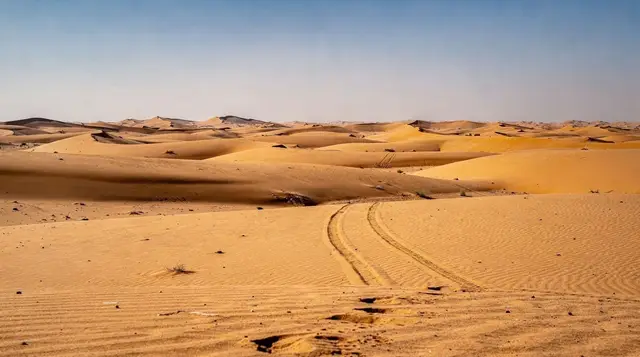
If you’d rather add an active element than another kasbah, quad biking through the desert terrain just outside the oasis is a popular half-day option and a genuine change of pace from walking ruins.
If the quad idea appeals, the quad biking guide explains what to expect from a session, and the wider adventure sports guide helps you decide whether it suits your group. Skoura is calm enough that an active morning followed by a slow afternoon on a terrace works well.
Skoura on the southern circuit
Most travellers meet Skoura as one link in a longer chain. Coming from Marrakech, the road crosses the High Atlas at Tizi n’Tichka, passes the turn for Telouet, and drops towards Ait Ben Haddou and Ouarzazate before Skoura appears among the palms. Beyond it, the road continues to the Dades Valley, Tinghir and the Todra Gorge. Seen this way, Skoura is the natural place to let the long driving days breathe.
If you are building a longer trip, the southern circuit itinerary shows how a night here can fit between the bigger sights. For a shorter outing, the Ouarzazate day trip guide and the Ait Ben Haddou guide cover the stretch just to the west. Travellers heading further towards the dunes may also want the Marrakech to Merzouga guide, since Skoura is a gentle first or second stop on that journey. To the south-west, the Draa Valley offers a different palm landscape and is worth comparing.
For the mountain side of the journey, the High Atlas page gives context for the landscapes you cross on the way, and the Atlas Mountains day trip guide is a useful companion if you are still deciding how far from Marrakech to go.
A better way to spend an evening
The evenings are the quiet reward of staying. Once the day-trippers have moved on, the oasis settles: light turns the pisé walls a deeper colour, the irrigation channels go still, and the only sounds are birds, distant voices and the occasional donkey cart. A rooftop terrace with a glass of mint tea is the standard way to end the day, and the Moroccan mint tea guide explains the ritual if you are offered it by your hosts.
Photographers should plan around the light. Early morning and the last hour before sunset give the kasbah walls and palm canopy their warmest tones, and the Marrakech photography guide has broader advice on shooting in Moroccan conditions. Ask before photographing people, and keep your camera down around farm work unless someone invites you in.
Visiting with respect
Skoura is a living farming community, not a stage set. The same ideas that apply to any rural Moroccan visit apply here, and the Berber village visits guide covers them in more depth: greet people, accept hospitality graciously, avoid pushing into private courtyards, and treat paths through groves as a courtesy rather than a right. If someone offers to show you around their land or a hidden kasbah, a small thank-you is customary, and the tipping guide explains how to handle that without awkwardness.
A little local conversation goes a long way. Many hosts are glad to explain how the palms are watered in turn, which family built which kasbah, and what grows beneath the canopy. Those details are what turn a quick look into a memorable stop.
Guided or independent?
Kasbah Amridil is easy to visit alone, but the explanations a guide offers add a lot. If you are unsure which approach suits you, the guided tour vs independent guide weighs the trade-offs. Self-drivers should read the driving in Morocco guide before setting out, particularly for the mountain sections of the route. If you would rather leave the driving to someone else, one of the tours linked above removes the logistics entirely, while still leaving time for the oasis.
What to pack for a night here
You do not need specialist gear. Comfortable shoes for dirt paths, a hat and sun protection for daytime, and a warmer layer for the evening are the essentials, since temperatures can drop once the sun goes down. The desert tour packing guide covers the wider checklist, and the what to wear guide is a good reminder of dress that is respectful in rural communities. Bring a little cash, a charged phone and a small bag so you can walk the palmeraie without being weighed down.
To choose the right season for your visit, the best time to visit Marrakech guide gives the general picture, which Skoura’s own best seasons, noted above, refine.
A brief history of the oasis
Skoura’s palmeraie is old enough that nobody has a precise date for when it was first planted and irrigated, but the network of kasbahs scattered through it dates mostly from the 17th to 19th centuries, built by families who grew wealthy controlling this stretch of the caravan trade between the Sahara and Marrakech.
Kasbah Amridil is simply the best-known and best-preserved survivor of what was once a much denser cluster of fortified family compounds — walking the oasis, you’ll pass the crumbling remains of several others, unrestored and unmarked, slowly returning to the earth they were built from. That contrast between one carefully maintained showpiece and a dozen quietly decaying originals is, in its own way, more informative than the showpiece alone.
The same irrigation channels that water the palms today — khettaras, underground or semi-covered channels that reduce evaporation in the desert heat — represent an engineering tradition going back centuries across this whole pre-Saharan zone. They’re easy to miss walking past, low earthen or stone channels running alongside the paths, but worth pointing out to yourself: without this system, none of the green you’re standing in would exist.
Food and where to eat
Skoura’s dining options are limited compared to Ouarzazate — a handful of small restaurants and the guesthouses themselves, most offering a set tagine-and-salad menu rather than an à la carte choice. This isn’t a drawback so much as how the oasis works: most visitors eat at their maison d’hôte, often communally with other guests, and the quality is generally better than the tour-bus restaurants along the main road into Ouarzazate. If you’re passing through without staying, a simple lunch stop at one of the small roadside places on the N10 is a reasonable option, though don’t expect much beyond the regional standards of tagine, bread and salads.
Getting there
Skoura sits directly on the N10 between Ouarzazate and Boumalne Dades, so almost every organised tour along the “route of a thousand kasbahs” passes through, whether or not it stops. Grand taxis run from Ouarzazate; self-driving is straightforward on a good, well-maintained road. There’s no dedicated bus stop, so independent travellers without a car generally rely on arranging a driver or joining a tour rather than trying to time public transport.
There’s no ATM in the oasis itself, and mobile signal is patchy once you’re walking among the palms rather than on the main road — sort out cash and any calls you need to make before heading out for the day. Most maisons d’hôte will hold cash for guests and can arrange onward transport, which is generally the easiest way to handle logistics if you’re not self-driving. Fuel is available on the N10 but it’s worth topping up in Ouarzazate first if your tank is getting low, since options thin out noticeably east of Skoura towards the Dades.
Weather-wise, Skoura sits low enough in the valley that summer heat can be intense, with the palm canopy offering welcome shade that the open road doesn’t. Spring brings the palmeraie to its greenest after the winter rains, and it’s a genuinely pleasant time to walk the oasis paths without the midday heat forcing you back indoors by late morning.