What to wear in Marrakech
Is there a strict dress code in Marrakech?
No legal dress code exists, but covering shoulders and knees is the norm respected by most Moroccan women in the medina, and dressing accordingly limits unwanted attention without being obligatory. Loose, breathable fabric matters more for comfort than for any rule.
There’s no legal dress code in Marrakech and nobody will refuse you entry or service for what you’re wearing, but there is a strong social norm worth understanding before you pack: the majority of Moroccan women in the medina dress with shoulders and knees covered, and visitors who do the same generally report less staring and fewer unsolicited comments, particularly in the souks and away from the more cosmopolitan streets of Gueliz. Following the norm isn’t about respecting a rule that doesn’t exist; it’s a practical choice that measurably changes how a day in the medina feels.
Climate matters as much as modesty here. Marrakech runs hot and dry for most of the year, with July and August regularly passing 40°C, so the same loose, breathable clothing that reads as respectful also happens to be the most comfortable option — tight, dark, synthetic fabric is uncomfortable in the heat regardless of any social consideration.
| Where | Norms are strongest in the medina; Gueliz and riad pools are more relaxed |
| Cost | Lightweight cotton and linen pieces are widely available in the souks if you underpack |
| Time needed | N/A |
| Getting there | N/A |
| Best time | Layer for cold mornings and evenings December–February |
The core wardrobe
Loose-fitting trousers or midi-to-maxi skirts, and tops that cover the shoulders — a t-shirt or light long-sleeve shirt rather than a vest — cover the norm comfortably for both men and women, and linen or cotton breathes far better than synthetic blends in the heat. Knee-length shorts are fine for men in most contexts and increasingly common for women too, particularly in Gueliz, though full-length trousers draw less attention in the medina’s older, more traditional lanes.
A lightweight scarf is worth packing regardless of gender or plans — useful as sun protection on a hot afternoon, a modesty layer if you find yourself somewhere dressier is called for, and, for women specifically, a quick option to cover shoulders or hair if visiting one of the small number of religious sites that do welcome non-Muslim visitors, such as certain madrasas. A guided souk shopping tour is a practical way to pick up genuinely good lightweight cotton and linen pieces locally if you’ve underpacked, at prices well below what similar fabric costs in Europe.
Footwear and practical extras
The medina’s paving is uneven, occasionally wet from shopfronts being hosed down, and cobbled or stepped in places, which makes closed shoes with real tread the practical choice for a full day of walking — sandals are fine for the riad courtyard and pool but tiring and occasionally slippery for medina exploring. Bring shoes you don’t mind getting dusty; the ground is genuinely dusty for most of the year.
Sun protection deserves more attention than most visitors give it: a hat, sunglasses and sunscreen matter even on cooler days, since Marrakech’s altitude and clear skies mean UV exposure is higher than the temperature alone suggests. A half-day guided walking tour is worth timing for the early morning specifically in warmer months, both for the light and to avoid the worst of the midday heat while wearing whatever you’ve packed.
Hammam wear and seasonal layers
For a hotel or riad spa hammam, a swimsuit is standard and usually provided or expected; at a traditional public hammam, plain underwear is the norm for women and either underwear or swim shorts for men, with your own towel and flip-flops recommended unless the venue provides them. This traditional hammam and massage experience with hotel transfer is a straightforward way to try it without guessing what’s expected — the full hammam guide covers the etiquette in more depth.
Seasonal layering matters more than many visitors expect: December to February brings mild, pleasant days but genuinely cold nights, often 5–8°C, and riads — built around open courtyards — can feel cold indoors after dark even when the daytime temperature was comfortable. A warm layer for evenings is worth packing even for a winter trip that otherwise looks mild on paper; the Marrakech in winter guide covers this in full, and the weather guide breaks temperatures down month by month.
A practical packing list
For a warm-season trip (March–June, September–November), a workable core packing list looks like: three or four loose cotton or linen tops that cover the shoulders, two pairs of loose trousers or a couple of midi skirts, one long-sleeve shirt for sun and evening cover, a lightweight scarf, closed walking shoes plus sandals for the riad, a swimsuit for the pool or spa hammam, sunglasses, a wide-brim hat and high-factor sunscreen. A small crossbody daypack is more practical than a shoulder bag for medina days, both for comfort and for the bag-security reasons covered in the safety guide.
Packing light is genuinely viable in Marrakech because laundry is cheap and fast almost everywhere — most riads offer same- or next-day laundry service at a modest cost, and it’s a normal enough part of a longer trip that there’s little reason to pack for more than four or five days regardless of trip length. A private souks shopping tour is also a practical way to fill any packing gaps once you’ve arrived, since good-quality cotton, linen and leather goods are widely available at prices that often beat home-market equivalents.
Rain is rare but not impossible, mainly in the cooler months between December and February — a light packable rain layer is worth including for a winter trip even though it won’t be needed most days, alongside the warmer layer already covered above for cold evenings.
Dressing for a hot-air balloon ride
An early-morning hot-air balloon flight over the Marrakech countryside is a common add-on to a trip, and it calls for its own small dress adjustment: pre-dawn departures are noticeably cold even in warmer months, so a warm layer over your usual daytime clothing is worth carrying for the drive out and the first hour of the morning, even though the temperature climbs quickly once the sun is up. The hot air ballooning guide covers what else to expect from the experience.
Valuables and desert layering
Leaving flashy jewellery at home, or at least keeping it minimal and out of sight in the medina’s busier lanes, is a sensible habit that has more to do with not drawing unnecessary attention than any specific dress norm — the same logic that applies to keeping bags cross-body rather than on one shoulder. A simple watch and modest jewellery draw no attention either way.
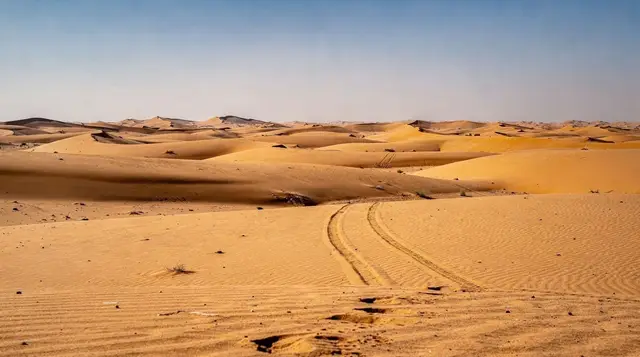
If your trip extends beyond the city into the Atlas mountains or an overnight Sahara excursion, pack separately for those legs rather than assuming Marrakech’s wardrobe covers them: desert nights drop sharply once the sun sets, even after a very hot day, and a warm layer plus a scarf or buff for wind-blown sand is genuinely necessary rather than optional. The Sahara tour packing guide covers this in full, since the temperature swing between desert midday and midnight is far greater than anything the city itself produces.
Dressing for a day in the souks
Souk days are the ones where clothing choices matter most, because you spend hours on foot in narrow, crowded lanes, stopping often and conversing with shopkeepers. Light, loose layers that cover the shoulders and knees let you move easily through the crush, and pockets or a cross-body bag keep your hands free for browsing. Dress as you would for a long walk in a hot, dusty place and you will be comfortable, whatever anyone else is wearing.
Your outfit also shapes the rhythm of bargaining. Showing up relaxed and unhurried in comfortable clothes makes it easier to take your time, say no politely and walk away without fuss; being hot, sunburnt or in pinching shoes pushes people into hasty purchases. The haggling guide covers the technique, and the souks guide explains how the different lanes are organised, which helps you plan breaks in shade and rest stops. If you want to pick up local clothing along the way, the shopping guide lists what is worth buying and what to skip.
Choosing fabrics that work in the heat
Natural fibres are the safest bet. Cotton and linen let air through and dry quickly, while thin synthetic fabrics tend to trap heat and hold odours after a day of walking. Light colours reflect the sun, although pale clothes show the dust of the medina faster, so a mid-tone is often a good compromise. Loose cuts matter more than the fabric label: a wide-legged trouser or a flowing skirt keeps air moving around your legs and gives much more relief than anything fitted.
Avoid anything that needs careful handling. Dry, dusty streets, shared taxis, sticky tagine sauce and hammam steam are hard on delicate pieces, so leave the dry-clean-only items at home and bring clothes that survive a simple wash. Pieces that mix and match are also useful, since a small set of neutral trousers, skirts and tops can be recombined into a different outfit each day without taking up much suitcase space.
Day-to-evening outfits
Marrakech evenings are social, and many visitors want one outfit that works from late afternoon through dinner. A neat loose top, light trousers or a long skirt, and a scarf you can drape over the shoulders cover most situations, from tea on a roof terrace to a table in a courtyard restaurant. If you plan on rooftops or nightlife, the rooftop bars guide and the nightlife guide give a sense of the atmosphere, and the same principle applies: venues in Gueliz and upscale riads are relaxed, but walking there through the medina after dark is more comfortable with your shoulders and knees covered, and you can change or uncover once inside.
Comfortable footwear still matters in the evening. Many of the best restaurants are down unlit, uneven alleys, so flat or low-heeled shoes with grip are a better choice than heels, even when the venue itself looks smart. Pack a pair that you can walk in for twenty minutes without thinking about it.
Dressing for different travellers
Men have an easier time with the norm, since long trousers or knee-length shorts and a t-shirt are rarely questioned, but the same advice on breathable fabric and closed shoes applies. Families travelling with children should favour loose cotton, hats and sturdy shoes for little ones, as kids tire quickly in the heat and on uneven ground; the Marrakech with kids guide has more on keeping a family comfortable. Travellers visiting in the hotter months should read the summer guide before packing, because the balance between coverage and cooling shifts and light, long, loose layers become even more valuable.
If you are travelling alone, clothing is one of several tools for managing attention, alongside confident body language and a clear sense of your route. None of it is a guarantee, and none of it is an obligation, but combining sensible dress with a few habits tends to make days in the medina noticeably calmer.
Fitting this into the wider trip
Clothing choices connect naturally to a few other planning decisions — the solo female travel guide covers how dress interacts with unwanted attention specifically, and the first-timers guide ties packing into the broader picture of arriving prepared. If your trip includes the Atlas mountains or an overnight in the desert, pack additional warm layers beyond what the city requires — the Sahara tour packing guide covers that separately, since temperatures there swing further than in Marrakech itself.
Trip-planning essentials on GetYourGuide
Verified deep-linked GetYourGuide tours. Book through these links and we earn a small commission at no cost to you.
Photo: our own image of the location, not the operator’s product photo.