What to Pack for a Sahara Tour
What's the one thing people forget to pack for a Sahara tour?
A warm layer. Daytime desert heat makes it easy to forget that nights fall below 5°C from December to February and around 10°C even in March and November — the temperature swing is the single most underestimated part of a desert trip.
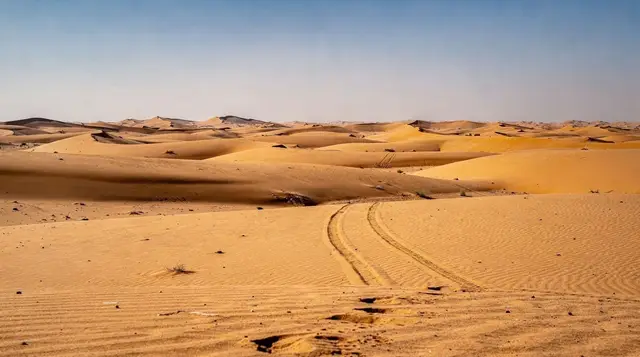
The single biggest packing mistake on a Sahara trip is dressing for the daytime heat and forgetting the night. Whether you’re headed to Merzouga, Zagora or Erg Chigaga, the climate swing between a hot afternoon and a cold desert night catches more first-timers out than anything else on this list.
| Where | Applies to Merzouga, Zagora and Erg Chigaga alike |
| Cost | Most items are things you already own; a scarf and headlamp are the only likely purchases |
| Time needed | Pack a small overnight bag separate from your main luggage |
| Getting there | Bring cash — no ATMs at desert camps |
| Best time | Relevant year-round, but the cold-weather list matters most December-February |
Clothing: layer for a 20-degree swing
Desert days can push past 30°C even outside summer, while nights regularly fall below 5°C from December to February and hover around 10°C even in the milder shoulder months of March and November. The only sensible approach is layering: a light, breathable top for the day, a warm mid-layer — a fleece or heavier jumper — for the evening and night, and a windproof outer layer if you’re travelling December through February.
Loose, comfortable trousers work better than shorts for a camel trek, both for sun protection and comfort in the saddle. Closed shoes are worth prioritising over sandals; sand gets everywhere regardless, but closed shoes keep it manageable and protect your feet on the walk between the vehicle and camp.
Sand and sun protection
A scarf or shemagh isn’t a costume prop — it’s genuinely useful for covering your nose and mouth during windy, dusty stretches on a camel or in a 4x4, and doubles as an extra layer of sun protection for your neck. Sunglasses and a high-SPF sunscreen matter even in the late afternoon, since there’s no shade anywhere on open dune terrain and reflection off the sand adds to direct sun exposure.
A headlamp or small torch is worth packing specifically for camp: most camps run on limited or no electricity after a certain hour, and finding your way to a shared toilet block in the dark is far easier with your hands free.
Money and practicalities
Cash is non-negotiable. There are no ATMs at desert camps and none in many of the small towns the route passes through past Ouarzazate, so withdraw Moroccan dirhams before you leave and carry enough for tips, drinks, souvenirs from roadside stalls, and any optional extras at camp. Card payment is rarely available once you’re off the main tourist circuit.
A portable battery pack is worth its weight given the limited or absent electricity at most camps — your phone will drain faster than usual from cold overnight temperatures and constant photo-taking of the dunes, and charging options at camp are unreliable at best. A 3-day Marrakech to Merzouga desert tour and similar multi-day packages rarely mention this in the included-items list, so it’s worth planning for independently.
Packing by season
The core list holds year-round, but a few items shift in priority depending on when you’re travelling. From December to February, prioritise the warm layer above everything else — a proper fleece or insulated jacket, not just a light jumper, since nights regularly drop below 5°C and camps are unheated canvas structures. Gloves and a warm hat are worth adding for this window if you feel the cold easily; they take up almost no space and make a genuine difference sitting around a fire pit after dark.
In the shoulder months of March, April, September and November, the night-time drop is milder — around 10°C — so a single warm layer rather than a full winter kit is usually enough. Summer trips (June to August) flip the packing priority toward daytime heat management: a wide-brimmed hat, extra water, and lighter, more breathable clothing matter more than the warm layer, though it’s still worth packing something for the night, since the temperature swing remains noticeable even in summer.
Medication and health basics
A small personal first-aid kit is worth carrying independently of what your tour provides, since desert camps and small towns along the route have limited or no pharmacy access. Basic items — pain relief, rehydration salts, any personal prescription medication, plasters for blisters from walking on sand — cover most of what comes up. Motion sickness tablets are worth having on hand too, given the winding mountain roads over the Tizi n’Tichka pass, even for travellers who don’t normally suffer from it.
Sun exposure is a more realistic health risk than most people expect on a desert tour, given the near-total lack of shade on open dune terrain. A wide-brimmed hat in addition to sunglasses, and reapplying sunscreen through the day rather than just once in the morning, prevents the kind of sunburn that can genuinely spoil the rest of a multi-day trip.
What you don’t need to bring
Resist over-packing. A full sleeping bag is unnecessary on almost every tour, since camps supply enough blankets for the night; a lightweight liner is a reasonable middle ground if you run cold. Formal or “nice” clothing has no place on a desert tour — camps are informal by nature, and dust makes anything beyond practical clothing impractical fast. Large suitcases are also worth leaving at your Marrakech accommodation if possible; a 2-day desert tour from Marrakech to Zagora and most shared tours have limited vehicle storage, and a smaller bag makes the whole trip easier regardless of destination.
Photography and electronics
A dedicated camera, if you have one, is worth the extra weight for a Sahara trip specifically — dune landscapes at sunrise and sunset are exactly the kind of scenery where a phone camera starts to show its limits, particularly in low light. Whatever you bring, protect it from sand: a simple dry bag or even a sealed plastic bag for downtime between shots keeps grit out of ports and lenses, since sand at Merzouga and Zagora is fine enough to work its way into almost anything left open.
Spare memory cards or cleared phone storage matter more here than on a typical city day, since most people end up taking far more photos than expected once the dunes are in view. Charging is the real constraint though: with limited or no camp electricity, a fully charged battery pack is the difference between capturing sunrise over the dunes and watching your phone die at dinner the night before. Pack the battery pack itself in your daypack rather than a larger bag left in the vehicle, so it’s on hand for the camel trek and the walk up to the dunes for sunrise.
Packing for the journey, not just the camp
A Sahara trip is mostly a road trip with a night at camp in the middle, and the packing list should reflect that. Long hours in a vehicle mean your daypack matters as much as your overnight bag. Keep within reach the things you will want between stops: water, a scarf, sunglasses, a charged phone, a few dirhams for roadside stops and any medication. Anything buried under other bags in the back of the vehicle is effectively unavailable until you arrive.
If you are still deciding how far to go, the Marrakech to Merzouga overland guide explains how the journey is broken up, which helps you judge how much to keep in the daypack. Travellers weighing a shorter trip can compare the options in Agafay versus the Sahara, since an Agafay night asks for a lighter bag and fewer layers of planning, though the cold after dark still applies.
Shoes deserve a second thought. Walking on soft sand is tiring, and shoes that are fine on city pavement can feel heavy once they fill with grit. Pick something you can slip on and off easily, because many camps ask you to remove footwear in communal tents, and bring a pair of clean socks for the evening. Your feet will thank you after a day in the vehicle and an hour on the dunes.
Modest clothing and respect for local customs
Morocco is a welcoming country, and the desert villages you pass through are traditional places. Covering shoulders and knees is a courtesy that costs nothing, and it also happens to be the most practical choice against sun and sand. Loose cotton or linen layers do both jobs. The same logic applies to women travelling alone or in groups: comfortable, covered clothing reduces unwanted attention and keeps you cooler. For more on this, what to wear in Marrakech covers the everyday rules that also apply on the road south, and solo female travel in Marrakech has practical advice for those travelling without a group.
Ask before photographing people, especially in villages and at roadside stops. Many locals are happy to be asked and some will decline; accept either answer with a smile. Small courtesies like this shape how you are received for the rest of the trip.
Choosing a tour that matches your packing
What you bring depends partly on what the tour provides. Before you pack, read the inclusions carefully: whether meals are included, how the camp is arranged, what bedding is supplied and how luggage is handled. Our Sahara tour booking guide explains what to check, and the guided tour versus independent travel comparison helps if you are unsure which style suits you.
A multi-day circuit such as a three-day desert tour from Marrakech to Merzouga is the classic format, and the packing advice above is written with it in mind. If you want to see how the days unfold, the Marrakech Sahara itinerary lays out a sensible rhythm so you can plan which clothes belong in the daypack and which can stay in the bag.
Different camps offer different levels of comfort, and that changes what is worth carrying. A simple camp may leave you relying on your own headlamp and battery pack, while a more comfortable one may offer a little more. If you want to understand the tiers before you decide, Sahara desert camps explained goes through them, and Erg Chigaga is worth reading if you are considering the more remote dunes, where self-reliance matters even more.
Before you leave Marrakech
Do your preparation in the city, because once the road leaves town the choices narrow. Check your daypack, charge every device, withdraw cash and confirm your pickup arrangements with your riad or the tour operator. If you are leaving a large bag behind, ask your accommodation whether it can be stored; staying in a riad explains how riads usually handle luggage and early departures.
Think also about the first hours of the trip. Early starts are common, so lay out your clothes the night before and keep your warm layer at the top of the bag. Getting to the pickup point calmly is easier when the city streets are navigable; getting around Marrakech and the Marrakech taxi guide can help if your pickup is outside the medina walls, where vehicles cannot always reach your door.
Finally, set your expectations. A desert night is simple by design: sand, stars, a fire, a blanket and good company. Travellers who arrive with the right layers, a charged phone and a relaxed attitude consistently get the most from it. For a slower, more reflective account of the experience, desert dawns captures what the morning feels like, and what nobody tells you about the Sahara is a candid companion to this list.
A quick checklist
Warm layer (even in summer) — scarf or shemagh — closed shoes — sunglasses and sunscreen — headlamp or torch — portable battery pack — cash in Moroccan dirhams — light daytime clothing — a small overnight bag rather than your full suitcase. This list holds for an overnight desert camp in Merzouga, a Zagora camp, or a private 3-day Sahara trip to Erg Chigaga alike — the climate and camp conditions are similar enough across all three that one packing list covers all of them.
For what to expect once you’re at camp, Sahara desert camps explained covers the comfort tiers this packing list applies to. If you’re still choosing a destination, Merzouga or Zagora and the Marrakech to Merzouga overland guide cover the route and distances in full.
Sahara tours on GetYourGuide
Verified deep-linked GetYourGuide tours. Book through these links and we earn a small commission at no cost to you.
Photo: our own image of the location, not the operator’s product photo.