Things to do in Marrakech
From the courtyards of the Bahia Palace to a night under canvas in the Sahara, Marrakech and its region reward travellers with experiences for every kind of trip.
Signature experiences
The six categories that define a first trip to Marrakech — and what makes the city and its region genuinely different from the rest of Morocco.

Medina and souks
Jemaa el-Fna, the souks around it, and the medina's tangle of derbs — how to find your way, when to go, and how hard to haggle.
6 guides
Palaces and heritage
The Bahia Palace, El Badi, the Saadian Tombs, Ben Youssef Madrasa and the Koutoubia — Marrakech's ticketed monuments, and which ones earn the entry fee.
7 guides
Gardens and photography
Majorelle, Le Jardin Secret, the Menara and the Anima — Marrakech's gardens, all ticketed, none of them free, and how to beat the tour-bus crowds.
5 guides
Food and drink
Tagines, the Jemaa el-Fna food stalls, mint tea, rooftop restaurants and cooking classes — what is worth eating and what is tourist theatre.
6 guides
Desert and camel rides
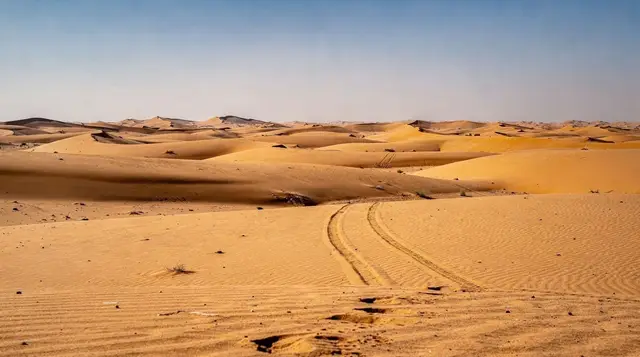
The Agafay is 45 minutes from the city and photographs like the Sahara — it isn't. Camel rides, sunset dinners and hot air balloons, explained honestly.
5 guides
Sahara tours
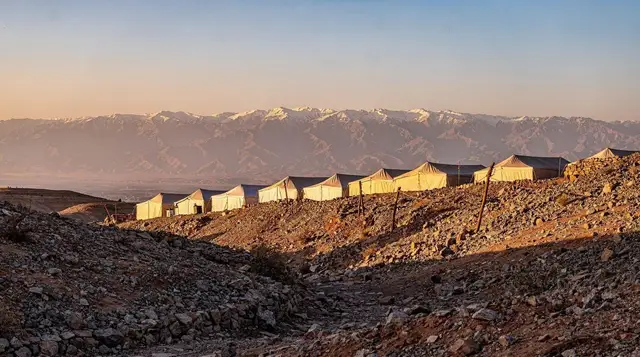
Merzouga and Erg Chebbi are nine to ten hours' drive from Marrakech. Multi-day overland trips via Ouarzazate, and what a desert camp is really like.
6 guidesMore ways to experience Marrakech
Specialist interests and practical planning — day trips beyond the city, seasonal timing, and the comparisons every first-time visitor searches for.

Hammam and wellness
A public hammam beldi costs a few dirhams; a hotel spa hammam runs 40 to 100 euros. Both are worth doing, for different reasons.
4 guides
Shopping and crafts
Rugs, leather, pottery and argan oil — how to tell a genuine piece from a tourist copy, and how hard to haggle before you overpay.
5 guides
Atlas mountains and valleys
The Ourika Valley, Imlil, Setti Fatma's waterfalls and Ouzoud — the High Atlas is under two hours from Marrakech and feels like another country.
7 guides
Adventure sports
Quad biking in the Palmeraie, mountain biking in the foothills, surfing at Essaouira and Sidi Kaouki, horse riding and paragliding.
5 guides
Nightlife and shows
Rooftop bars in Gueliz and the medina, Gnaoua music, and the Chez Ali fantasia dinner show — worth knowing what you are booking before you pay.
4 guides
Day trips
Essaouira, Ouarzazate, Ait Ben Haddou and Ouzoud Falls — the best excursions that get you back to your riad by dinner.
6 guides
Family travel
Riads with pools, activities that work for kids, and what changes when you are travelling with toddlers instead of teenagers.
4 guides
Getting around
Airport transfers from Ménara, petit taxis and grand taxis, driving yourself, and the trains and buses linking Marrakech to the rest of Morocco.
6 guides
Trip planning
First-timer basics, common scams, safety, budgeting in dirhams, visas, what to wear, and tipping — the groundwork before you land.
8 guides
When to go
July and August regularly pass 40°C. March to May and September to November are the better months. Ramadan changes the rhythm of the city.
5 guides
Compare your options
Marrakech or Fes, riad or hotel, the Agafay or the real Sahara, a guided tour or going it alone — the decisions worth thinking through.
5 guidesBrowse by destination
Tours and activities organised by where you're headed — Marrakech itself and the towns and regions around it.
Good to know about things to do in Marrakech
Marrakech's things-to-do hub is organised around seventeen categories rather than one ranked list, because a good day here depends heavily on what you actually came for. Medina and souks covers the obvious core — Jemaa el-Fna, the maze of souks, haggling technique and the choice between a riad and a Gueliz hotel — while palaces and heritage groups the paid sights inside the walls: the Bahia Palace, El Badi's ruined courtyards, the Saadian Tombs, Ben Youssef Madrasa and the Koutoubia minaret.
Gardens and photography is its own category because Majorelle, the Yves Saint Laurent Museum, Le Jardin Secret, the Menara and the Anima garden all draw a specific kind of visitor willing to queue for a photo and pay an entry fee for it. Food and drink and hammam and wellness sit close to daily life rather than sightseeing — a cooking class, the Jemaa el-Fna food stalls after dark, and the real difference between a few-dirham public hammam and a €40-plus spa version. Shopping and crafts covers rugs, leather from the tanneries, pottery and the artisan workshops where a piece gets made in front of you rather than pulled off a shelf.
Desert and camel treks means Agafay specifically — camel rides, dinner shows, hot air balloons over a rocky plateau half an hour from the medina — and it's deliberately separate from Sahara tours, which covers the real dunes at Merzouga and Zagora and the multi-day logistics of getting there and back. Atlas valleys pulls visitors up into the mountains: Ourika, Imlil, the Toubkal trek and the waterfalls at Ouzoud and Setti Fatma.
Adventure sports groups quad biking, mountain biking, surfing at Essaouira and Sidi Kaouki, horse riding and paragliding, while nightlife and shows covers rooftop bars, Gnaoua music and the Chez Ali fantasia dinner show specifically because it's worth knowing what that ticket price actually buys before booking. Day trips extends the categories geographically to Essaouira, Ouarzazate and Lalla Takerkoust, and family groups what genuinely works with kids rather than a generic list. Planning and transport exist because Marrakech rewards preparation — visa rules, a believable daily budget, petit versus grand taxis, and the airport transfer from Ménara all change how smoothly the trip runs.
Seasonal content matters more here than in many cities: the summer heat regularly passes 40°C, Ramadan shifts restaurant hours across the city, and the reliable months run March to May and September to November. Comparison answers the questions visitors actually ask before booking anything: Marrakech or Fes, a riad or a hotel, Agafay or the real Sahara, three days or five. Together these categories work as a filter rather than a checklist — most visitors will lean hard on three or four and barely touch the rest, and that's by design.
Frequently asked questions about things to do in Marrakech
What are the main categories of things to do in Marrakech?
This hub groups activities into seventeen categories, from medina and souks through palaces and heritage, gardens, food, hammam, shopping, desert day trips, the real Sahara, Atlas valleys, adventure sports, nightlife, day trips, family, transport, planning, seasonal timing and comparisons. Most visitors focus on four or five rather than working through the full list.
What's the difference between the desert and camel category and Sahara tours?
Desert and camel treks covers Agafay, a rocky plateau thirty minutes from Marrakech doable in half a day. Sahara tours covers the real sand dunes at Merzouga and Zagora, seven to nine hours away by road and realistically a two- or three-day commitment. They're kept separate because travellers regularly confuse the two and book the wrong one.
Should I book a public hammam or a spa hammam?
A public hammam beldi costs only a few dirhams and follows a no-frills, communal ritual; a hotel or riad spa hammam runs roughly €40 to €100 and adds oils, a private room and an easier introduction for first-timers. Neither is more authentic than the other — they're different experiences at very different price points.
How does Ramadan affect what's worth doing in Marrakech?
Many restaurants close during daylight hours through Ramadan, and the city's rhythm shifts toward the evening, with Jemaa el-Fna and the medina genuinely livelier after sunset. It's not a reason to avoid visiting — plan meals around it and expect a different, later-paced trip rather than a diminished one.
What's the point of the comparison category on this hub?
It answers head-to-head questions travellers ask while planning — Marrakech versus Fes, a riad versus a hotel, Agafay versus the real Sahara, three days versus five — where the right choice depends on priorities like heat tolerance, budget or how much walking you want to do, not a single universal answer.
Best day trips from Marrakech on GetYourGuide
Verified deep-linked GetYourGuide tours. Book through these links and we earn a small commission at no cost to you.
Photo: our own image of the location, not the operator’s product photo.