What Nobody Tells You About the Sahara
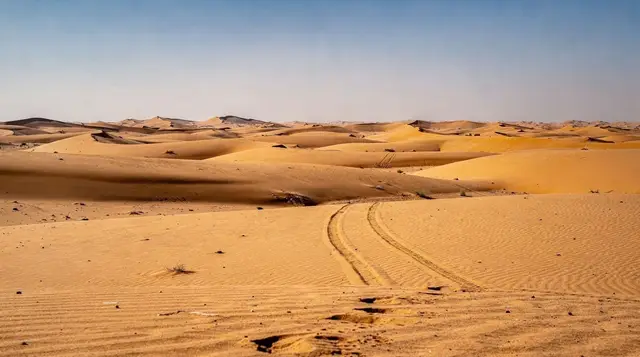
The photos show the same three things every time: a line of camels, an orange dune, a silhouette at sunset. Nobody’s photo shows the nine hours of driving to get there, the cold that catches you off guard at midnight, or the sand that’s still turning up in your bag a week after you’re home. All of that is real too, and none of it makes the trip not worth it — it just makes the marketing dishonest by omission.
The drive is the trip, whether you like it or not
Merzouga, where the real dunes of Erg Chebbi rise, is eight to ten hours from Marrakech by road, and there’s no way around that distance short of flying to a regional airport and still driving from there. A 3-day tour to Merzouga splits the drive across two days each way with an overnight in the Dades or Todra region, which is the only way to make the distance bearable — attempting it in a single push, which some budget operators still offer, turns the desert into an afterthought bolted onto a driving marathon. Book the three-day minimum, not the compressed version.
The cold at night is not a minor detail
Desert nights lose heat fast once the sun drops, even after a 35°C day. At Merzouga, overnight temperatures can fall into single digits Celsius outside the warmer months, and inside a canvas tent with no insulation beyond a blanket, that’s a genuine chill, not a mild inconvenience. Nobody mentions this in the brochure photos of people laughing around a fire in t-shirts. Bring a proper warm layer regardless of the season, and don’t assume “desert” means “always hot.”
Sand gets everywhere, permanently
This sounds like a joke until it happens to you. Fine Saharan sand works into camera bags, phone cases, the seams of shoes, and stays there through several washes after you’re home. Pack light, expendable layers for the dune walk itself, keep electronics in sealed bags during the camel ride, and accept that one pair of shoes is now, permanently, your desert shoes.
The camel ride is shorter and less romantic than you expect
Most sunset camel treks into the dunes run 45 minutes to an hour, not the sweeping multi-hour crossing the photos imply. It’s genuinely a highlight — swaying across a ridge as the light turns everything copper is a real, rare sensation — but it’s also mildly uncomfortable if you’ve never ridden one, and nobody warns you about the specific ache in your inner thighs the next morning. Both things are true at once: memorable, and physically odd. A 3-day Merzouga desert tour with camel and quad biking gives you the option to swap part of the dune time onto a quad if the camel isn’t for you.
The camps vary hugely, and the photos rarely tell you which one you’re booking
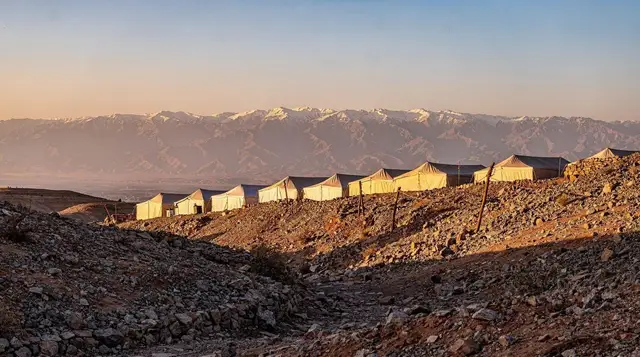
“Luxury desert camp” can mean a proper bed, ensuite bathroom and solar lighting, or it can mean a slightly nicer tent with the same shared latrine as the budget option twenty metres away. Read what’s actually included, not just the word luxury, before comparing prices — the Sahara desert camp guide breaks down what each camp tier genuinely includes so the surprise happens before you book, not after you arrive.
Sunrise is the part that earns the whole trip
Waking before dawn, climbing a dune in the dark with nothing but starlight and a headtorch, and watching the sky turn from black to violet to the specific orange that Erg Chebbi is famous for — this is the ten minutes that makes the nine-hour drive, the cold night and the sand in your shoes worth every bit of the inconvenience. No photograph fully carries the silence that comes with it, which is probably why nobody manages to describe it accurately in advance either.
The heat on the way down surprises people just as much
Everyone prepares for the cold desert nights and forgets that the drive down through the valleys toward Merzouga, especially outside the cooler months, can be genuinely hot in a way the mountain crossing near Marrakech never quite prepares you for. Air conditioning in the vehicle helps, but stops at rest breaks and photo stops along the Dades and Todra route can be a real shock after hours in a cooled cabin. Pack for both extremes on the same trip — proper sun protection for the daytime legs of the drive, and a genuine warm layer for the desert camp itself once night falls.
The stars do something a phone camera can’t capture
Away from any real light pollution, the sky over Erg Chebbi is genuinely dense with stars in a way that’s rare to witness anymore, and every guide will tell you the same thing: don’t waste the first ten minutes trying to photograph it. Modern phone cameras manage something, with the right settings and a steady surface, but nothing close to what your eyes actually see once they’ve adjusted fully to the dark, roughly twenty minutes after the last fire dies down. Sit still, let your eyes adjust, and treat the photography as secondary to the actual looking.
The toilets are the detail nobody wants to write about, so here it is
Camp facilities vary enormously and this is worth naming plainly: budget camps often mean a shared, basic long-drop toilet a short walk from the tents, while mid-range and luxury camps increasingly offer proper ensuite bathrooms with real plumbing. If this matters to your comfort — and for a lot of travellers it genuinely does — ask specifically before booking rather than assuming “camp” means one particular standard. It’s a five-minute question to the operator that prevents the one surprise most likely to sour an otherwise extraordinary night.
The music around the fire is real, not staged
After dinner, most camps gather around a fire for Berber and Gnaoua-influenced drumming and singing, and it’s easy to assume this is purely a performance staged for the group’s benefit. Talk to the musicians afterward, though, and it’s usually clear this is simply how the evening ends whether tourists are present or not — the songs and rhythms are the same ones passed down through the crew’s own families, adapted only slightly, if at all, for an audience. It’s one of the details that separates a genuinely good camp from a purely transactional one, and it’s usually obvious within the first ten minutes which kind you’ve booked.
Choosing the right desert before you choose the tour
Not every desert near Marrakech is the same experience, and much of the disappointment people report comes from booking one while expecting another. If you only have a short window, the Agafay desert guide explains what that stony landscape offers, and Agafay versus the Sahara lays out the trade-offs honestly. Agafay as a day trip or an overnight helps if you are weighing a night under canvas without the long drive. For those who want a different dune landscape, the Erg Chigaga guide covers the wilder, more remote option, and the Merzouga destination page gives a feel for the village at the edge of Erg Chebbi.
Booking, packing and timing without regrets
Most of the friction described above can be softened with a little planning. The Sahara tour booking guide walks through what to check with an operator, and guided tour or independent is worth a read if you are tempted to organise the whole thing yourself. Because the cold, the heat and the sand all depend on when you travel, the best time to visit Marrakech page is a useful companion, and the Marrakech weather guide helps you picture conditions before you leave the city. If you would rather see how the days fit together, the three-day Sahara itinerary shows a realistic shape for the trip, and the seven-day southern circuit stretches it into something slower. For a more reflective take on the same landscape, desert dawns is the companion story to this one.
Is it worth the discomfort
Yes, without much hesitation, but go in knowing what you’re signing up for rather than expecting the brochure version with none of the friction. The Marrakech to Merzouga overland guide covers the route and stops in detail, the packing guide is worth reading properly rather than skimming, and if you’re torn between destinations, Merzouga or Zagora settles which dunes suit your timeline. The Sahara doesn’t need better marketing. It needs honester marketing, and then it sells itself.
tours.Stories
Verified deep-linked GetYourGuide tours. Book through these links and we earn a small commission at no cost to you.
Photo: our own image of the location, not the operator’s product photo.