The Palmeraie is a palm grove stretching roughly 20km north and east of Marrakech, said to have grown from date pits discarded by Almoravid soldiers camped here in the 11th century — a nice story, plausible enough, though the grove’s real age and origin are more tangled than the legend suggests. What’s not in dispute is that it’s genuinely old, genuinely large, and genuinely under pressure: since the 1990s, large tracts have been sold off for resort hotels, golf courses and private villas, and the palm density in parts of the grove has visibly thinned as a result.
At its historic peak, the grove is thought to have held over 100,000 date palms across the plain north of the city, irrigated by the same khettara underground channel system that feeds Marrakech’s other historic gardens. Numbers have declined steadily for decades — development pressure aside, palms here are also vulnerable to bayoud disease, a fungal blight that has killed off plantations across Morocco — and current estimates put the surviving count well below historic levels, concentrated in the working sections furthest from the resort corridor.
That makes the Palmeraie two different places depending on where you go. Some sections remain close to how they’ve looked for generations — narrow tracks between date palms, small farms, occasional wells — while others are now indistinguishable from a resort district with palm trees planted for landscaping rather than surviving as an oasis.
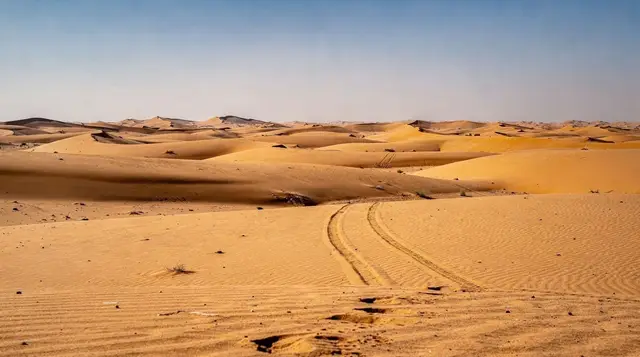
Knowing which version you’re headed for matters more here than at almost any other destination on this site, since two visitors describing “the Palmeraie” from the same afternoon can come away with entirely different impressions. Most camel, quad and buggy tours run through the surviving working sections and the semi-desert scrub at the grove’s edges, which is honestly the more interesting terrain for those activities anyway.
| Where | North and east of Marrakech, roughly a 20-minute drive from the medina |
| Cost | Camel rides from 150-250 MAD (€14-23) for an hour; quad and buggy tours 300-600 MAD (€28-56) |
| Time needed | 1-3 hours for most activities |
| Getting there | Most tours include hotel pickup; a taxi one-way runs 60-100 MAD |
| Best time | Late afternoon into sunset, avoiding the midday heat |
Camel and dromedary rides
Despite the common phrasing, the animals used here are technically dromedaries — one-humped camels — not the two-humped Bactrian camels most people picture, though “camel ride” is the term everyone uses locally and nobody bothers correcting it. Rides typically run 30 minutes to an hour along fixed tracks through palm groves and open scrub, usually with mint tea included at the end, and are gentle enough to suit most ages and fitness levels, children included, provided they can sit still for the duration. Handlers walk alongside leading each animal, so no riding experience is expected or required.
The honest caveat: these are short, guided, single-file rides on habituated animals along a set route, not an expedition. Anyone expecting genuine desert immersion should look instead at the Agafay Desert or a multi-day trip further south, covered in the camel rides around Marrakech guide. For what it is — a pleasant hour with good photos and a genuinely calming pace — this sunset camel ride in the Palmeraie delivers exactly what it promises, and the late-afternoon light through the palms is the best reason to time it for sunset rather than midday.
Quad biking and buggy tours
Faster and considerably dustier, quad and buggy tours run through the same general terrain — palm groves, dirt tracks, patches of open desert scrub at the grove’s edges — at a pace that turns a short trip into a genuine adrenaline outing rather than a leisurely photo stop. Buggies (usually two-seaters, one driving) suit couples or friends who want to ride together; quads are solo machines and need a valid driving licence in most operators’ terms, though enforcement varies from one outfit to the next. Both come with a safety briefing, helmets, and a guide leading the group throughout, since the tracks branch enough that solo riders would genuinely struggle to find their way back alone.
A two-hour buggy adventure through the palm grove or a sunset quad biking tour with tea are both solid half-day options; expect dust, noise, and clothes that need washing afterward — not an activity for anything you’re precious about wearing. See the quad biking guide for what operators typically include and what to check before booking.
Horse riding and other ways to see the grove
Horseback riding is a quieter, less dusty alternative to quad or buggy tours, and it covers similar ground at a pace that’s easier to actually enjoy the surroundings from — palm groves, irrigation channels, the odd farmer tending a small plot alongside the tourist tracks. A horseback ride with tea and hotel transfer included suits riders of most experience levels, since the pace is generally set by the guide rather than the individual horse.
For something faster and more novel, off-road electric scooters have started appearing as an option too — an off-road electric scooter tour of the Palmeraie is quieter than a petrol quad and produces none of the exhaust fumes, which makes for a more pleasant ride through the palm-shaded stretches specifically.
Whichever activity you choose, most operators bundle hotel pickup and drop-off into the price, which is worth confirming before you book since the Palmeraie’s own roads are poorly served by hailed taxis and getting stranded after a tour without pre-arranged transport back is a genuinely awkward way to end an otherwise good afternoon. Sunscreen, sunglasses and a scarf or bandana to keep dust out of your face are worth packing regardless of which activity you choose, since shade is scarce once you’re off the palm-lined tracks and into the open scrub at the grove’s edges, and the sun there is considerably more direct than it feels back in the medina’s shaded lanes.
Resort hotels and golf
The Palmeraie’s resort corridor holds some of the region’s most established luxury hotels and several golf courses, built specifically to exploit the palm-shaded setting and space that the medina and Gueliz simply don’t have. Staying here means privacy, pools, and genuine quiet, at the cost of a 20-30 minute taxi ride to anything resembling the historic city — a fair trade for a honeymoon or a relaxation-focused stretch of a longer trip, less so if sightseeing is the priority. The Marrakech honeymoon itinerary covers this district as a base in more detail.
With kids
Camel and pony rides, gentler buggy options and the general open space make the Palmeraie one of the more straightforwardly kid-friendly outings around Marrakech, without the crowd density or heat concentration of the medina. See Marrakech with kids for age-appropriate picks among the activities here.
Choosing between the activities
Each activity here trades something for something else, and it helps to decide what you actually want from the afternoon before you scroll through listings. If the goal is atmosphere and photographs, the camel ride and the horseback ride are the slow options, both leaving room to look around and talk. If the goal is adrenaline, the quad and buggy tours are the obvious pick, and the electric scooter sits somewhere in between: quieter, but still a bit of a thrill on the loose tracks.
Groups with mixed ages often do best with a buggy, because a driver and a passenger can share the experience, or with camels, because everyone sits in the same slow rhythm. A group where one person wants speed and another wants calm is the classic argument; the practical answer is to book two different activities back to back rather than compromise on one that suits nobody. Anyone travelling solo and unsure will find that a guided horseback ride feels the most personal, since the guide’s attention is spread across fewer people.
If you are still weighing up how much of your trip to give over to this kind of outing, the Marrakech adventure sports guide lines the options up side by side, and the horse riding guide goes deeper on stables, saddles and what a first-timer should expect.
What a typical outing looks like
Most outings follow the same shape. A driver or a guide collects you from your riad or hotel, and the transfer out to the grove takes you past the point where the city thins out into villas, walls and palm-lined avenues. At the meeting point there is usually a short briefing, a moment to be fitted with a helmet or introduced to your animal, and then the group sets off behind the guide. The route loops through palm tracks and scrub and returns to the start, where tea, a few minutes to rest and often a chance to buy a scarf or a souvenir bring things to a close.
The quiet parts are the best parts. Once the engine noise or the group chatter drops away, you notice the sound of irrigation water, the dry rustle of fronds and the smell of dust cooling at the end of the day. Those small sensory details are what separate a good Palmeraie afternoon from a forgettable one, so it is worth leaving time rather than rushing straight back to the city for dinner.
Photography and light
The grove rewards patience with a camera. Low sun through the palms throws long shadows across the tracks, and the warm tones that arrive late in the day flatter almost everything: animals, faces, even the dusty ground. Midday light, by contrast, is harsh and flat here, and the open scrub offers nothing to soften it. If photography is a priority, our Marrakech photography guide covers framing and timing across the whole city, and many of its principles apply directly to the grove.
A few practical points help. Keep your phone or camera in a zipped pocket on quad and buggy tours, because dust is the real enemy. On camels and horses, ask the guide to take a few pictures of you at the start, when the animals are calm, rather than juggling a device mid-ride. And be considerate around local farmers and their plots: ask before pointing a lens at a person, and treat working land as someone’s livelihood rather than a backdrop.
Combining the Palmeraie with the rest of your trip
The grove works best as one part of a balanced itinerary rather than as the centrepiece. Pair a late-afternoon activity with a slow morning in the medina, and you get a day that moves from dense and busy to open and quiet. The Marrakech in 2 days and Marrakech in 3 days plans show how a shorter stay can fit an outdoor outing without losing the headline sights, while the Marrakech in 5 days plan leaves room for a slower pace.
Families with younger children may prefer to put the activity early in the stay, when energy is high, and keep the later days lighter. The family activities guide has more ideas for filling the gaps between bigger outings, and the Marrakech first-time guide helps you decide how much to attempt overall.
If the idea of a proper desert landscape appeals more than a palm grove, compare the two directly in the Agafay versus Sahara guide before committing your afternoon. Many travellers discover that the Palmeraie suits a short, easy slot, while the larger deserts deserve a full day or more.
Staying near the grove or staying in the city
Choosing where to sleep shapes how you use the Palmeraie. A base inside the resort corridor gives you pools, space and calm mornings, but each trip to the old city becomes a planned journey. A base in the medina puts you steps from the souks and the evening bustle, with the grove as a short excursion. The riad versus hotel guide helps you weigh character against comfort, and the medina destination page shows what you give up or gain by sleeping in the old city.
Whichever you choose, think about the evenings. Resort areas are quiet after dark, which suits some travellers perfectly, whereas the medina and Gueliz keep going late. For a sense of the livelier side, see Gueliz and the Jemaa el-Fna entry, both of which make a natural contrast to a day among the palms.
Respecting the grove
The Palmeraie is still a working landscape for many people, and visitors share it with farmers, herders and residents. Stay on the tracks your guide uses, avoid leaving rubbish, and do not pick fruit or cut fronds. Operators who treat the animals well tend to have calm, well-fed camels and horses with sensible handling; if an animal looks distressed or poorly cared for, it is fine to decline and look elsewhere. A little care keeps the remaining grove viable for the next visitor.
Nearby
The Palmeraie sits well outside the medina, a natural pairing with a relaxed day rather than a sightseeing-heavy one. For genuine desert landscapes within reach of the same afternoon slot, the best day trips from Marrakech guide covers the alternatives worth the extra distance. Back toward the centre, Majorelle and the garden quarter is the natural next stop for anyone splitting a day between gardens and the grove.