20 Things to Know Before You Go to Marrakech
Nobody tells you the full list before you land. Guidebooks give you the sanitised version — the palaces, the souks, the sunsets — and leave out the parts that actually shape your first 48 hours: the currency you can’t get at home, the heat that flattens an afternoon, the insistence of a shopkeeper who won’t take the first no. I’ve spent enough time in the medina to know which of these surprises trip people up every single time, and which ones are overblown. Here’s the list I’d want if I were arriving tomorrow.
The dirham only exists here
You cannot buy Moroccan dirhams before you arrive, and you cannot take them home. It’s a closed currency: you land, change money at the airport or a bank in town, and spend what you need before your flight out. Cash machines are everywhere in Gueliz and near Jemaa el-Fna, and cards work in most hotels and mid-range restaurants, but the souks run on cash. Budget a small buffer in dirhams for tips, taxis and the inevitable bargain you didn’t plan on.
The medina will disorient you, on purpose
Marrakech’s old town was never built on a grid. The derbs — the narrow lanes — twist because that layout kept the heat down and slowed invaders centuries ago, and it still works exactly as intended on modern tourists with a phone map that can’t see three-metre-wide alleys. Offline maps help, but the real fix is accepting that you’ll get lost at least once and treating it as part of the visit rather than a failure. A half-day city tour with a local guide on day one gives you a mental layout before you’re navigating it solo.
Getting from the airport to your riad is the first test of this. The lanes inside the walls are too narrow for most cars, so you usually finish the last stretch on foot, and the airport transfer guide explains how to arrange a pickup so you aren’t negotiating at the kerb after a long flight. Once you’re settled, the medina rewards a slow first wander more than any map does.
Summer heat is not an exaggeration
July and August regularly push past 40°C in the afternoon, and the medina’s stone walls hold that heat well into the evening. If you’re travelling in high summer, plan your outdoor time for morning and after 6pm, and treat the middle of the day as a rest period the way locals do. Spring and autumn are far more forgiving, and winter days are pleasant even if the nights get properly cold.
If you’re weighing a trip in the hottest months, the Marrakech in summer guide and the best time to visit page set out what each season really feels like, so you can pick your dates with open eyes.
The hassle is real, but it’s not aimed at you personally
Shopkeepers will call out, guides will offer directions you didn’t ask for, and someone will insist a monument is “closed today” so they can walk you somewhere else. This isn’t hostility, it’s a commission economy where a lot of people are competing for a small slice of tourist spending, and persistence is the tool that works. A polite, firm “la, shukran” (no, thank you) and continued walking ends most of it within seconds. It stops feeling personal once you understand it’s a sales tactic, not a judgement of you.
Haggling belongs to the same picture. Prices in the souks are opening offers, not final ones, and the haggling guide walks through the rhythm of it. If you’d rather not bargain at all, the Marrakech blog’s shopping piece covers how to buy with confidence.
Not everything free-looking is actually free
Jemaa el-Fna itself, the surrounding souks and the city’s ramparts are open access — you can walk through them without paying anything. The Bahia Palace, El Badi Palace, the Saadian Tombs, Ben Youssef Madrasa and the Majorelle Garden all charge entry, and vendors sometimes imply otherwise to get you moving. Budget a modest daily amount for entry fees if you’re planning to see the sites beyond the free public spaces.
Alcohol exists, but not where you’d expect
Licensed riads, hotel bars and most restaurants in Gueliz and Hivernage serve alcohol; the medina proper mostly doesn’t, in keeping with local custom. This isn’t a hardship — it just means you plan an evening drink around a rooftop bar or your riad rather than a random medina café.
Friday changes the rhythm of the whole city
Friday is the main day of communal prayer, and its effect on daily life is more visible than a first-time visitor expects. Midday sees many shops close for an hour or two around the main prayer time, streets near larger mosques fill briefly with worshippers arriving and leaving, and some businesses treat the whole afternoon as a shorter working day. None of this closes the city down — the souks and Jemaa el-Fna carry on regardless — but if you’ve built a Friday itinerary around a specific shop or office-style errand, build in flexibility around midday rather than assuming standard weekday hours apply.
Eating is part of the rhythm too. The food stalls on the main square come alive in the evening, and the Jemaa el-Fna food stalls guide helps you choose where to sit, while the street food safety guide explains how to eat there without worrying about your stomach.
A local SIM solves more problems than you’d think
International roaming in Morocco can be expensive or patchy depending on your provider, and a local prepaid SIM is cheap, easy to buy at the airport or in Gueliz with a passport, and solves the map-and-messaging problem that the medina’s confusing layout makes more urgent than usual. Data plans are inexpensive by European standards, and having reliable maps and messaging on hand makes the early days of navigating the derbs noticeably less stressful. It’s a five-minute errand on arrival that pays for itself within the first lost afternoon.
The call to prayer is part of the soundscape, not an interruption
Five times a day, the call to prayer rings out from minarets across the medina, starting well before dawn and continuing into the evening. First-time visitors sometimes worry it will disrupt sleep or sightseeing; in practice, most adjust within a day or two, and the pre-dawn call becomes background rather than a wake-up call once you’re used to the rhythm of it. It’s worth knowing in advance simply so it doesn’t come as a surprise on your first night, rather than treating it as a problem to solve.
A hammam is worth doing once, done right
The public hammam beldi costs a few dirhams and is the real, unpolished version locals use weekly; hotel and spa hammams cost far more (40–100 €) and add oils, music and privacy. Neither is wrong, but know which one you’re booking. A traditional hammam and massage with hotel transfer is the easiest way to try the spa version without navigating a public bathhouse on your own.
The Atlas and the desert are further than the map suggests
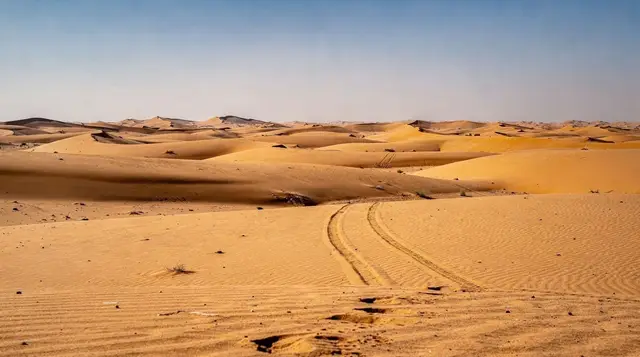
Ourika Valley and the Agafay plateau are genuinely close, under an hour from central Marrakech, and make solid half-day trips — a day trip to Ourika Valley is a good gauge of how much the mountains change the mood in a short window. The real Sahara, at Merzouga or Zagora, is eight to ten hours’ drive away and needs a multi-day tour, not a day excursion; a Marrakech to Merzouga overland guide lays out exactly what that commitment involves before you book anything.
People will offer you tea, and it means something
Mint tea offered in a shop or a workshop isn’t automatically a sales trap — hospitality genuinely runs deep here, and refusing outright can read as rude. You’re not obligated to buy anything after accepting a glass, but a little warmth in return goes a long way, and it’s one of the more memorable small exchanges of a Marrakech trip if you let it happen naturally.
What actually helps once you’re here
None of this list is meant to make Marrakech sound difficult — it isn’t, once the first day recalibrates your expectations. A self-guided medina walking route is worth doing early in your trip so the layout stops feeling random, and reading up on scams and hassle before you land means you’ll recognise the handful of tricks the moment they start rather than after they’ve worked. Pair that with a sensible budget breakdown and a look at what to wear, and the surprises left on arrival shrink to the good kind — the ones worth having.
If there’s one thing worth internalising above the rest, it’s that Marrakech rewards a slower first day. Walk the souks without an agenda, get lost once on purpose, and let the practicalities above do their job quietly in the background rather than becoming the whole story of your trip.
tours.Trip Planning
Verified deep-linked GetYourGuide tours. Book through these links and we earn a small commission at no cost to you.
Photo: our own image of the location, not the operator’s product photo.